Cranham Road Rubbish Removal Tips for RM14 Homes
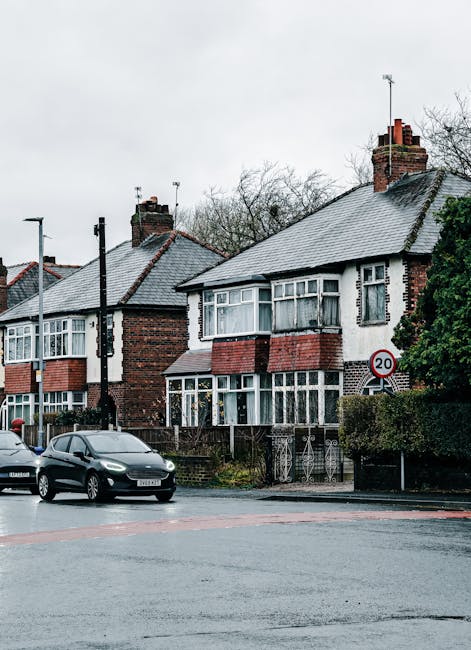
If you live in an RM14 home near Cranham Road, rubbish removal can be one of those jobs that looks simple right up until the hallway fills with bags, old furniture, and "I'll deal with that later" clutter. The good news is that a bit of planning makes the whole process faster, safer, and usually cheaper. This guide to Cranham Road rubbish removal tips for RM14 homes gives you a practical way to clear waste without making a mess of the driveway, the schedule, or your weekend.
Whether you are tackling a single bulky item, a loft full of forgotten boxes, or a full house declutter, the right approach matters. You will find straightforward advice here on sorting waste, choosing the right removal method, avoiding common mistakes, and deciding when a professional clearance service is the best option. For larger projects, a service like waste removal can take a lot of pressure off, while more specific jobs may call for house clearance, loft clearance, or garage clearance.
Practical summary: sort first, measure what needs moving, keep recyclable and reusable items separate, and choose a removal option that fits the size and access of your property. That simple approach avoids most problems before they start.
Why Cranham Road Rubbish Removal Tips for RM14 Homes Matters
Rubbish removal is not just about tidiness. In RM14 homes, space is often at a premium, access can be awkward, and waste tends to build up in places that are easy to ignore: sheds, lofts, side passages, under-stair cupboards, and garages. Left long enough, clutter becomes a practical problem rather than a visual one. It blocks storage, slows down cleaning, and can make decorating or moving home far more stressful than it needs to be.
There is also the local reality of how waste needs to be handled. Not every item can go in the bin, and not every pile of junk should be dragged to the kerb on collection day. Heavy sofas, broken appliances, mattresses, plasterboard, garden cuttings, and mixed builders' waste all need different treatment. Good rubbish removal tips help you avoid wasted journeys, missed pickups, and unnecessary lifting.
For many households, the key benefit is control. You decide what stays, what goes, what can be donated, and what should be recycled. That matters if you are clearing out after a renovation, managing a bereavement, moving tenants, or simply reclaiming a room that has turned into a storage zone. If furniture is part of the job, furniture disposal and furniture clearance are often the cleanest way to handle bulky pieces without damaging walls, floors, or your back.
Key point: rubbish removal goes more smoothly when you treat it as a sorting and access problem first, and a lifting problem second.
How Cranham Road Rubbish Removal Tips for RM14 Homes Works
The process is usually simpler than people expect. Start by identifying the type of waste you have, because that decides the best route. Household junk, green waste, old furniture, light DIY rubble, and office items all behave differently in practice. A good plan breaks the job into categories instead of treating everything as one giant pile.
A typical home clearance flow looks like this:
- Walk through each room or area and make a quick inventory.
- Separate reusable items, recyclable materials, and general waste.
- Measure or estimate any bulky objects that need special handling.
- Check access points such as hallways, staircases, gates, and parking space.
- Decide whether to self-clear, book a skip, or arrange a professional collection.
- Set a time window that avoids obstructing neighbours or traffic.
For smaller loads, you may only need a few trips to a local facility or a van collection. For bigger clearances, using a proper clearance team is usually more efficient. Services such as home clearance and flat clearance are especially helpful where access is tight or where you need items removed from multiple rooms at once.
The best operators will usually sort as they load, separating recyclable material from residual waste where possible. That matters because mixed waste is harder to process responsibly. If you are clearing a loft, garage, or garden at the same time, it can be smarter to combine the job into one scheduled collection rather than spreading the mess over several weekends. Nobody enjoys living next to a half-finished pile of old paint pots and broken chairs.
Key Benefits and Practical Advantages
A thoughtful rubbish removal plan gives you more than a tidy room. It can reduce stress, save time, and make the whole property feel easier to manage. In homes around Cranham Road, that practical impact often shows up quickly. A clear hallway means smoother moving day. A cleared garage means the car can finally fit inside. A tidy loft means you can actually reach the things you meant to keep.
- Better use of space: You get storage back instead of paying to keep clutter around.
- Safer movement: Fewer obstacles reduce trips, scrapes, and accidental damage.
- Faster projects: Decorating, renovation, or deep cleaning becomes much simpler.
- Cleaner handover: Helpful for landlords, tenants, sellers, and family homes being prepared for sale.
- More responsible disposal: Good sorting improves recycling and reduces avoidable waste.
There is also a financial advantage that people sometimes miss. If you sort your waste clearly before collection, you reduce the chance of paying for unnecessary labour time or paying a higher price because the load is awkwardly mixed. Many households also find that a targeted clearance is better value than "doing it all at once" without a plan. A measured approach usually wins.
If you want to understand pricing structure before booking anything, have a look at pricing and quotes. It can help you compare what is included and what kind of service matches the job.
Who This Is For and When It Makes Sense
These tips are useful for a wide range of RM14 households, not just people with an overflowing garage. If you are moving, downsizing, renovating, clearing out after tenants, or dealing with a long-postponed declutter, you will probably benefit from a structured approach.
This is especially relevant if you are:
- a homeowner preparing a property for sale or rental
- a tenant who needs to leave the place clean and empty
- a landlord dealing with leftover furniture or abandoned belongings
- a family sorting out a loft, garage, or spare room
- someone finishing a DIY job and left with builders' waste
- a business owner or home worker with old office equipment to remove
It also makes sense when you have items that cannot be easily put out with normal household rubbish. A broken wardrobe, a worn-out sofa, several bags of garden clippings, and a pile of renovation offcuts are all classic examples. For garden-heavy clearances, garden clearance can be a practical fit, while renovation debris is usually better handled through builders waste clearance.
Sometimes the decision is emotional as much as practical. Clearing out a property after years of accumulation can feel daunting. The trick is not to aim for perfection in one go. Aim for steady progress and a workable result. That is usually enough to unlock the rest of the job.
Step-by-Step Guidance
If you want the cleanest result with the least friction, follow a simple sequence. It is straightforward, but it works.
1. Walk the property and list the waste
Start with a room-by-room scan. Note bulky items, bagged rubbish, recyclable materials, and anything hazardous or unusual. You do not need a perfect inventory, just enough detail to decide how the load should be handled.
2. Separate by type before moving anything
Keep furniture, soft furnishings, green waste, cardboard, and mixed junk apart where possible. This makes loading easier and prevents recyclable items from being buried in general waste. If you are clearing a loft or garage, this one step can save a surprising amount of time later.
3. Check access and lifting risks
Measure doors, stair turns, and gate widths if you have large pieces. A sofa that looks manageable in a room can become a problem at the front door. Think ahead about where items will be carried, where a van can park, and whether anything needs two people to lift safely.
4. Decide your disposal route
Small, light loads may be manageable with a personal vehicle or local disposal trip. Heavier, mixed, or time-sensitive clearances are often better suited to a professional collection. If you want a single service that handles most domestic waste types, house clearance is often the broadest option for whole-property jobs.
5. Remove in layers, not in chaos
Move the easiest items first to create space. Then tackle the awkward objects. This reduces bottlenecks and prevents the dreaded "pile in the hallway that no one can get past" situation.
6. Finish with a final sweep
Once the waste is out, check corners, under furniture, and behind doors. Small remnants such as broken fittings, loose screws, and spare packaging often get missed. A five-minute check can make the space feel properly finished.
Expert Tips for Better Results
Experience tends to teach the same lesson over and over: the best rubbish removal jobs are the ones that are prepared before anyone starts lifting. A few practical habits make the process smoother.
- Use labels or simple piles: "keep," "donate," "recycle," and "remove" is enough for most homes.
- Photograph bulky items: A quick photo helps if you are requesting a quote or checking whether something can be taken.
- Bundle light waste safely: Cardboard, textiles, and plastic packaging are easier to handle when tied or bagged properly.
- Keep screws and small fittings together: Handy if you later replace or repair furniture.
- Protect surfaces: Use old sheets or cardboard on floors where heavy items will be moved.
- Schedule with access in mind: Mid-morning or midday can be easier than school-run or rush-hour timing.
One small but useful tip: clear the route before you start moving the biggest item. It sounds obvious, but in real homes there is often a plant pot, shoe rack, bike, or laundry basket sitting exactly where it should not be. That is just life, really.
If you are unsure about where an item should go, ask before loading it in with everything else. Good services will often advise you on the right disposal route, and many people also review the company's recycling and sustainability approach before booking.
Common Mistakes to Avoid
The biggest rubbish removal mistakes are usually predictable, which is good news because they are easy to avoid. Most problems happen when people underestimate the amount of waste, ignore access issues, or mix everything together without checking what can be reused or recycled.
- Leaving sorting until the day of collection: This slows everything down and raises the chance of mistakes.
- Underestimating volume: A few bags in the loft can become several car loads once fully cleared.
- Blocking the driveway or pavement: That can frustrate neighbours and complicate collection.
- Forgetting about weight: A small pile of tiles or books can be far heavier than it looks.
- Mixing hazardous items with general rubbish: Paint, chemicals, batteries, and sharp materials need special care.
- Choosing the wrong clearance type: A sofa clearance is not the same as a garden or builders' waste job.
Another common mistake is assuming every item can be dealt with in the same way. It cannot. For example, old office furniture or work-from-home equipment may be better matched to office clearance or a more specific furniture collection rather than general waste removal. The same goes for items with a reuse value; throwing them away too early can be wasteful.
Tools, Resources and Recommendations
You do not need a warehouse of equipment to handle a domestic clearance well. A few simple tools and a bit of organisation usually do the job.
| Item | Why it helps | Best use |
|---|---|---|
| Heavy-duty gloves | Protects hands from rough edges and dust | General handling |
| Clear rubble sacks | Strong, easy to sort, and quick to stack | Mixed light waste |
| Tape measure | Helps check furniture access and load size | Bulky item planning |
| Marker labels | Makes sorting faster and more accurate | Room-by-room staging |
| Blankets or covers | Protects walls, floors, and furniture edges | Moving items through tight spaces |
| Phone camera | Useful for quotes and deciding what to keep | Planning and documentation |
For many homeowners, the most useful "tool" is a decent plan and a realistic timeline. If the job includes mixed waste, heavy items, or several rooms, it is often worth comparing your options first. You can also review about us to better understand the kind of service behind the work, and use contact us if you want to ask about a particular type of clearance before booking.
When you are dealing with a larger household tidy-up, the right service often depends on the shape of the job. A single old wardrobe is one thing. A full spare-room clear-out, boxes from the loft, and a broken treadmill in the garage is another. In the latter case, a broader domestic clearance often saves time and awkward lifting.
Law, Compliance, Standards, or Best Practice
For domestic rubbish removal in the UK, the most important principle is simple: waste should be handled responsibly and passed to the right place. While the exact legal and council arrangements can vary, the general best practice is to avoid fly-tipping, separate waste where practical, and use a legitimate carrier for anything you are not disposing of yourself.
If you hire a clearance service, it is sensible to ask how they handle sorting, loading, transport, and disposal. Responsible operators should be able to explain their process clearly. They should also have appropriate insurance and safe working practices. That matters for your property, the people carrying the waste, and the wider environment. If you are comparing providers, insurance and safety is a useful page to review alongside the practical service details.
For householders, a good rule is this: if something is hazardous, sharp, heavy, or difficult to identify, do not guess. Check the correct route for disposal. Batteries, chemicals, electricals, and some construction materials may need separate handling. If the job involves renovation debris, builders waste clearance is usually a better fit than general rubbish removal.
Best practice also includes courtesy. Keep access clear, avoid blocking neighbours, and arrange the job so that the removal team can work safely and efficiently. Small things like that make a real difference in residential streets.
Options, Methods, or Comparison Table
Different waste removal methods suit different households. The right choice depends on volume, urgency, lifting ability, and the type of waste involved.
| Method | Best for | Advantages | Limitations |
|---|---|---|---|
| Self-clearance | Small, light loads | Flexible and direct | Time-consuming, heavy lifting, transport needed |
| Skip hire | Large mixed loads over time | Good for ongoing projects | Needs space, permits may be relevant, loading is still on you |
| Man and van collection | Bulky domestic items and quick clearances | Fast, practical, less lifting for you | Not always ideal for very small loads |
| Full house clearance | Whole-property or multi-room jobs | Efficient and structured | Best value when there is enough volume |
For a garage packed with old tools, boxes, and broken furniture, a one-off collection is often the most realistic choice. For a moving-out scenario, a full or partial home clearance can be more efficient than trying to piece the job together yourself. The right method is the one that matches the scale of the task rather than the one that sounds cheapest at first glance.
Case Study or Real-World Example
Imagine a typical RM14 household preparing for a small renovation. The owners want to clear an old sofa from the lounge, several bags of loft clutter, two broken garden chairs, and a stack of leftover packaging from furniture deliveries. Nothing here is extreme on its own, but together it creates a messy, awkward load.
They start by sorting everything into four groups: keep, donate, recycle, and remove. The sofa is measured and checked against the hallway and front door. The loft bags are tied securely. Cardboard packaging is flattened, and the garden items are set aside with the green waste. Instead of trying to do it in one chaotic rush, they stage the items by room and arrange one collection window.
The result is tidy, predictable, and far less stressful than expected. They avoid multiple trips, do not damage the hallway wall, and reclaim the space in a single morning. That is the pattern you see again and again: modest planning creates disproportionate savings in time and effort.
In a similar situation, a household with more items might need a fuller service that includes furniture handling and mixed waste sorting. That is where a service such as furniture clearance or a broader waste removal booking becomes much more practical than DIY transport.
Practical Checklist
Use this before you book or begin.
- Identify what needs removing and what should stay.
- Separate reusable, recyclable, and general waste.
- Measure bulky items and check access routes.
- Look for any hazardous or special items.
- Choose the right disposal route for the job size.
- Protect floors, walls, and corners during moving.
- Keep the driveway, path, or entrance clear.
- Confirm timing and loading arrangements.
- Ask about recycling and disposal handling if needed.
- Do a final walk-through before the team leaves.
If your project includes more than one area of the property, it may help to break it into phases: loft first, then garage, then furniture, then final waste. A structured order like that keeps the work manageable. It also helps avoid the classic "where did all this come from?" moment halfway through.
Conclusion
Cranham Road rubbish removal tips for RM14 homes come down to one simple idea: clear with a plan, not with panic. Once you sort waste properly, check access, and match the job to the right disposal method, everything becomes easier. You save time, reduce lifting, keep the property safer, and get a cleaner result with less hassle.
For small jobs, a tidy DIY approach may be enough. For bulky, mixed, or time-sensitive clearances, professional help is usually the smarter choice. The key is choosing the route that fits your home, your schedule, and the type of waste you actually have. If you want a more efficient, less stressful way to clear space, professional support can make the whole process feel surprisingly straightforward.
Get a free quote today and see how much you can save.
If you are comparing services and want to understand the wider support available, you may also find it useful to review the company's recycling and sustainability approach, along with the main pricing and quotes information before you decide.
Frequently Asked Questions
What is the best way to start rubbish removal in an RM14 home?
Start by sorting waste into simple categories: keep, donate, recycle, and remove. Then check access, bulky item sizes, and whether the load is light enough for self-clearance or better suited to a collection service.
Can I clear bulky furniture without damaging my walls or floors?
Yes, if you plan the route first and protect surfaces with covers or blankets. Large furniture is usually safest when carried by two people, especially through narrow hallways or stair turns.
Is it better to hire a van or book a full clearance service?
For a few small items, a van may be enough. For multiple rooms, heavy furniture, or mixed waste, a clearance service is usually more efficient and less physically demanding.
What items are commonly overlooked during a home clear-out?
People often forget loft boxes, spare bedding, broken small appliances, old chargers, garden clutter, and awkward items stored behind doors or under stairs. Those hidden areas add up quickly.
How do I know if something should be recycled or disposed of separately?
If an item is recyclable, reusable, electrical, hazardous, or construction-related, it may need a separate route. When in doubt, ask the provider before loading it with general waste.
What is the difference between house clearance and general waste removal?
House clearance is usually broader and can cover multiple rooms or the full property. General waste removal is often used for a specific load of mixed rubbish or a smaller collection job.
Can garden waste be collected with household rubbish?
Sometimes it can, but it is often better to keep it separate so it can be handled more efficiently. A dedicated garden clearance is usually the cleaner option for larger green waste jobs.
What should I do with leftover DIY debris after a small project?
Keep rubble, timber, plasterboard, and mixed offcuts separate where possible. Builders' waste is usually best handled as a specific load rather than mixed with ordinary household rubbish.
How can I make a clearance cheaper or quicker?
Sort items in advance, reduce mixed waste, keep access clear, and only book the amount of help you actually need. Clear preparation often saves more than people expect.
Do I need to be present during the removal?
Usually yes, at least at the start, so you can confirm what is being taken and answer any access questions. For larger jobs, you may only need to be available for the initial walkthrough and final sign-off.
What happens if I have items like paint, batteries, or old electronics?
Those items often need special handling and should not be lumped in with ordinary rubbish. Tell the provider in advance so they can advise on the safest and most suitable route.
How do I choose a trustworthy clearance company?
Look for clear pricing information, sensible communication, proper insurance, and a straightforward explanation of how waste is handled. It is also wise to review their policies and service pages before booking.