Office Clearance in Upminster

Office clearance in Upminster should make it easier to remove unwanted desks, chairs, filing cabinets, IT equipment and general workspace clutter without disturbing the rest of the day’s activity. We focus on practical clearance work for offices that need a controlled, tidy and well-planned approach, whether the requirement is for a single room, a floor of furniture or a wider workspace strip-out. The aim is straightforward: clear what needs to go, keep what remains usable and leave the area ready for its next stage.
Our service can support offices of different sizes, from compact workrooms to larger commercial premises. The work may include loading heavy items, separating reusable materials, removing broken fixtures and handling mixed contents that need sorting before disposal. Where appropriate, we can also deal with furniture clearance as part of a wider office job, especially when desks, seating and storage units are the main items leaving the site. The result is a more organised clearance process with less disruption and fewer loose ends.
For businesses looking at costs and timing, it helps to decide what must stay, what can be reused and what needs to be removed for disposal. A simple written list is usually a good start, and photographs can make it easier to describe access, item quantities and any awkward lifting. When you are ready, request a quotation and outline the scale of the office clearance you need in Upminster.
Clearance for desks, seating and storage
Office clearances often begin with the biggest pieces of furniture because they shape the rest of the job. Desks, meeting tables, chairs, pedestal units and cabinets can take up most of the available space, so removing them efficiently makes the room easier to sort. We can work through mixed office furniture in a structured way, separating items that are ready to move from those that need careful handling, disassembly or additional lifting support.
Storage units and filing furniture deserve extra attention because they may still contain documents, stationery or other small contents. Before anything is moved, it is sensible to check drawers, cupboards and shelves so that nothing important is removed by mistake. In some cases, a clear-out may also involve flat clearance principles such as careful sorting of contents, although the working environment and item mix in an office are different. That careful approach helps keep the process orderly and manageable.
Not every item leaves in the same way. Some pieces are suitable for reuse or relocation, while others are no longer practical to keep. A considered clearance plan allows those decisions to be made before lifting begins, which reduces delays and prevents unnecessary handling. If your office contains a mixture of open-plan desks, partition furniture and storage, we can adapt the work to the layout rather than treating every room in the same way.
IT equipment and sensitive contents
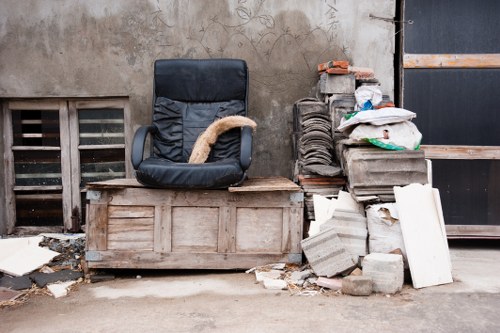
Many office clearances involve more than furniture. Computers, monitors, printers, telecoms equipment and older accessories often need to be taken out alongside the larger items. These things can be awkward because they vary in size, weight and fragility, and they are often spread across desks, cupboards and storage areas. A careful clearance process helps keep the removal organised and reduces the chance of items being missed in secondary spaces.
When a workspace has been in use for some time, there may also be cables, accessories, filing materials and miscellaneous supplies that need sorting. That is one reason to avoid leaving the office clearance until the final minute. If you can separate what is to remain from what is to leave, the work can move more smoothly and the practical decisions become easier. If you are also arranging business waste removal, it may be useful to group the non-furniture items together so they can be handled in a coordinated way.
Important preparation is simple but worthwhile: keep personal files, hardware you intend to reuse and any specialist items aside before the clearance begins; note any pieces that are fixed, damaged or difficult to move; and make sure access routes are clear enough for safe lifting. That sort of preparation helps the clearance proceed in an orderly manner without creating avoidable confusion.
Office moves, downsizing and end-of-lease clearances
Office clearance work is often linked to a change in how the premises are used. A business may be moving, reducing its footprint, combining rooms or handing a space back at the end of a lease. In those situations, the clearance needs to be practical and methodical, because items are rarely all in one place and the job usually has a deadline attached to it. We can help remove contents in stages so the remaining space stays usable during the changeover.
Where an office is being reconfigured, some items may be retained for the next setup while others need to leave immediately. That means the clearance should be planned around the intended end state, not just around what is easiest to remove first. If there are redundant partitions, stored furniture or surplus fixtures, they can be dealt with as part of the same visit if the scope is agreed in advance. For some premises, this may overlap with home clearance methods in the sense that both require sorting and prioritising, but a commercial office job has its own practical demands.
It is usually helpful to identify access points, any lifts or stairwells and the rooms that must remain available while the work is taking place. That allows the clearance to be scheduled around staff movement or handover preparations. Clear instruction at the start tends to save time later, particularly when several people have contributed items to the same office space.
What the service can include
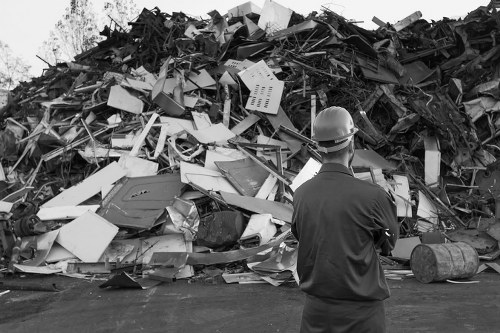
The main strength of a professional office clearance is flexibility. An office rarely contains just one type of item, so the work needs to be organised around the actual contents on site. Depending on the premises, the service may include lifting, loading, sorting, moving items from upper floors, handling bulky furniture and removing general office contents that are no longer required. The point is to keep the process controlled rather than forcing everything into a single approach.
Where suitable, we can also manage related clearance tasks that sit around the main office job. For example, redundant storage in lofted or upper areas may need its own approach, which is why a job can sometimes involve loft clearance alongside ordinary workspace removal if the building layout creates that need. Similarly, an office with a garage or storage unit attached may need those areas cleared in parallel, provided the agreed scope covers them. The work should always be defined clearly so that everyone knows what is included.
Useful office clearance decisions are often the simple ones: whether an item is still in working condition, whether it should be separated for reuse, and whether there are any objects that require extra care because they are fragile, fixed or unusually heavy. A clear list of items and rooms helps us plan the sequence logically. It also keeps the removal focused on the actual priorities of the business rather than on guesswork.
How to prepare an office clearance
Preparation does not need to be complicated. Start by deciding which rooms, cupboards and storage areas are part of the clearance and which will remain in use. Then mark anything that is staying, especially if several people work in the same area and possessions have accumulated over time. If documents are present, remove what must remain confidential before the clearance begins. That way the team on site can concentrate on furniture, equipment and general contents without pausing over uncertain items.
A short inventory is often enough for an accurate quotation, especially if the office has a predictable layout. It can help to note the number of desks, chairs, cabinets and any bulky items that will need extra attention. Access matters too, so mention if there are narrow corridors, multiple floors, reception restrictions or loading constraints. If you are also comparing broader services, office clearance information can be useful for checking the types of jobs typically covered under this service title.
Quotation planning is usually better when it reflects the real shape of the work. An empty room and a heavily furnished suite require different amounts of labour, loading and sorting, so the more accurate the information, the more closely the proposal can match the job. If you are ready to move forward, send the room count, the furniture types and any access notes together in one message.
How office clearance work is organised
Good office clearance depends on sequence. Large items are usually removed first, then smaller furniture, then the loose contents that have been left behind. This reduces clutter as the job progresses and gives the team a clearer route through the premises. In a mixed office environment, the safest approach is often to clear one zone at a time so that items do not become mixed up between departments, meeting rooms or storage areas.
Some offices contain waste streams that benefit from separation before removal. Cardboard, surplus stationery, redundant shelving, worn seating and outdated electronics may all need to be sorted into different groups. If the job includes leftover fixtures or building-adjacent material, a related service such as builders waste clearance may be more relevant for that part of the work. Keeping those categories distinct helps the office clearance stay focused on its core purpose.
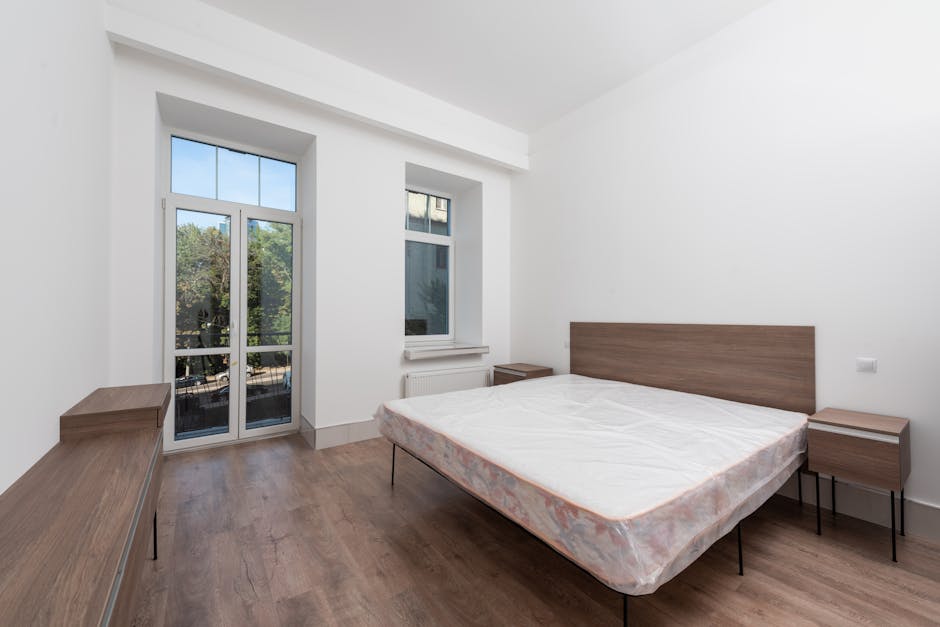
A practical office clearance is not just about lifting and loading; it is about leaving the space in a condition that suits the next phase of use. That might mean preparing for refurbishment, helping the landlord handover, or simply returning the room to an uncluttered state. Each job has its own order of priorities, and a sensible sequence makes those priorities easier to deliver.
About Upminster

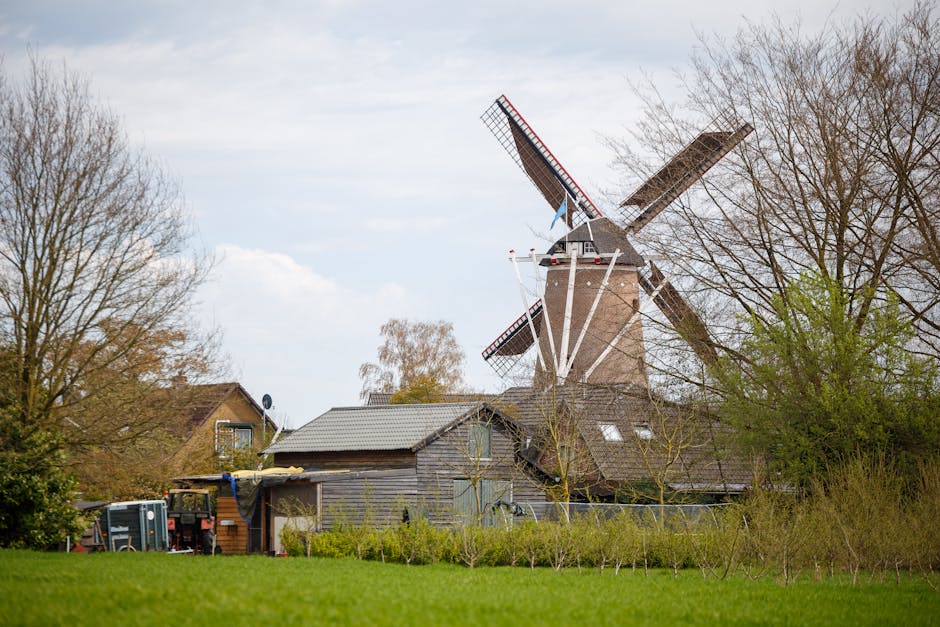
Upminster is a suburban district in east London, historically part of Essex and now within the London Borough of Havering. It sits near the northeastern edge of Greater London and has long been shaped by its position between the urban area of London and the more open landscapes to the east. The place name is old, and the settlement developed from a rural village into a commuter district while retaining a recognisable centre with historic buildings, local shopping streets and transport links. Upminster station is a significant feature of the area, connecting the district to the District line and to rail services that serve wider east London and Essex. The surrounding streets include a mix of residential roads, older village traces and later twentieth-century development, which gives the area a layered character rather than a single architectural style. In the north and east, the land opens towards former marshes and green edges associated with the wider Havering landscape, while the centre remains focused around retail, churches and civic life. The area also has a notable local heritage presence through Upminster Windmill, a preserved post mill that stands as a reminder of the district’s earlier agricultural economy. Nearby parks, open spaces and sports grounds provide a softer contrast to the built-up centre, and local routes link the district with surrounding parts of Havering and beyond. Upminster therefore combines older village history, commuter convenience and suburban housing in a way that reflects the broader evolution of outer east London from rural parish to metropolitan suburb.
Clearance for different office layouts

Office spaces vary more than they first appear to. Some are open-plan and relatively easy to move through, while others are divided into meeting rooms, private offices, archives and storage corners. A good clearance plan takes that layout into account, because a single crowded room and a sequence of connected rooms require different handling. The aim is to remove contents efficiently while preserving the parts of the premises that still need to be used or handed over separately.
Where an office includes mixed-use spaces, a wider clearance may also overlap with garage clearance if the business stores equipment, archive material or surplus stock in an attached outbuilding or back-of-house area. The important point is not the room label itself, but whether the contents are grouped sensibly before removal. That is especially true when a business has accumulated old displays, spare office chairs, archived paperwork boxes or broken fittings over time.
Before asking for a quotation, it is useful to think about which rooms are essential, which are emptying out and which contain the heaviest items. That helps the office clearance be priced and planned in line with the actual work required. When you are ready, request a quotation with the item list and access details so the job can be assessed clearly.
Sorting, reuse and responsible disposal
Many office clearances include items that do not all have the same destination. Some furniture may still be usable, some equipment may be outdated, and some contents may simply be worn out. A responsible clearance process makes these differences visible from the start, so the right items can be set aside rather than being treated as one mixed pile. That kind of sorting supports a more orderly and considered removal.
If your office contains surplus furniture that could be reused, it can be sensible to keep those pieces separate from items intended only for disposal. That is one reason why a related page such as recycling and sustainability may be helpful when thinking about the wider route of removed materials. The practical benefit is simple: less confusion on site, a tidier handover and a clearer understanding of which items are being kept, moved or removed.
Responsible disposal also begins with honest identification of what is actually present. Office clearances sometimes uncover mixed odds and ends in drawers, cupboards or forgotten storage spaces, and those smaller items can be overlooked if the job is rushed. A careful approach helps ensure the room is properly emptied and that the final result matches the agreed scope. It is always better to decide what leaves before loading starts than to sort it out halfway through.
Requesting a quotation for office clearance
If you need office clearance in Upminster, a clear quotation request is the best place to start. Give a brief outline of the rooms involved, the main item types and any access notes that may affect loading or movement. If the job includes heavier furniture, awkward stair access or multiple areas spread across the building, say so in advance. That information makes it easier to understand the scale of the work and shape the removal properly.
It also helps to mention whether the clearance is part of a move, a downsizing plan, a refurbishment or a simple clean-out of redundant contents. Those details can change the sequence of work even when the item list looks similar on paper. If you have already decided which items must stay, the process becomes more straightforward. If you are comparing what is included, pricing and quotes can provide a useful point of reference for the kind of information typically needed.
For a smooth enquiry, keep your note concise but complete: location, room count, item categories, access and preferred timing. Then ask for a quotation when you are ready to move forward. That gives you a practical route from the initial enquiry to a properly scoped office clearance in Upminster.