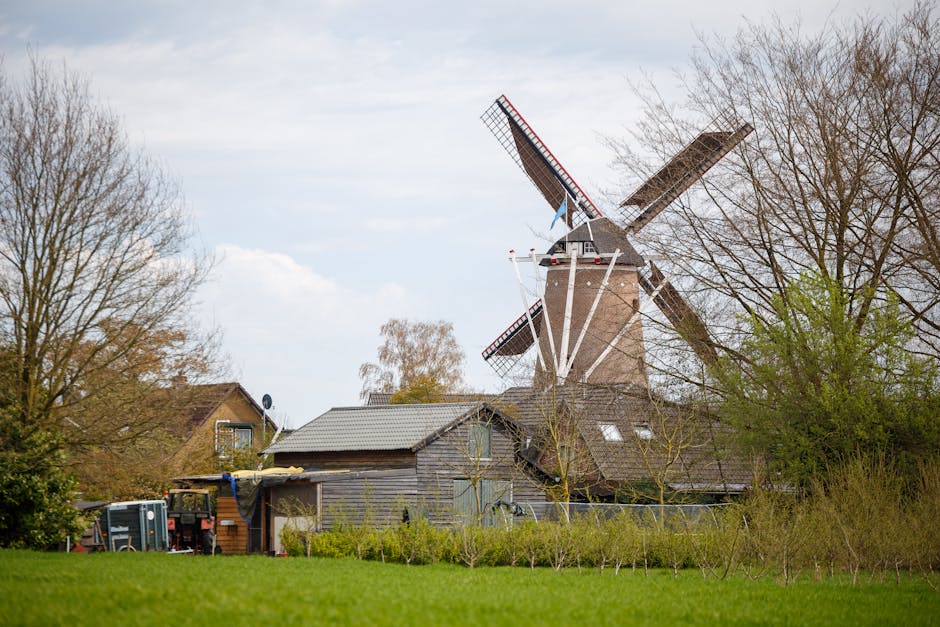
Near Upminster Windmill: Garden Waste Clearance Options
If you live near Upminster Windmill, garden waste can build up faster than people expect. One weekend of pruning, one rainy spell, and suddenly there are branches, hedge cuttings, soil, old turf, and green bags sitting where you wanted a tidy border. This guide to Near Upminster Windmill: Garden Waste Clearance Options breaks down the most sensible ways to get rid of it, what to watch out for, and how to choose a service that actually makes life easier.
Whether you are clearing a small back garden, dealing with a bigger seasonal cut-back, or finishing a full outdoor refresh, the right option depends on how much waste you have, how quickly it needs moving, and whether you want help with loading, sorting, and recycling. To be fair, most people just want the job done without having to think about muddy boots, bags tearing in the car, or a van trip that takes half the day.
This article covers the practical options, local considerations, and the next sensible step if you want the work handled properly. If you need broader support beyond garden debris, services like garden clearance and general waste removal can be a useful starting point.
Why Near Upminster Windmill: Garden Waste Clearance Options Matters
Garden waste looks harmless at first. A few clippings. A bag of leaves. Maybe the remains of a hedge that looked better in your head than it did in the garden. But once it starts piling up, it quickly becomes a nuisance. Wet green waste can smell, attract pests, stain paving, and make the whole space feel unfinished.
Near Upminster Windmill, many homes have a mix of compact gardens, side access paths, shared driveways, and the usual London realities: limited parking, tight schedules, and not much appetite for endless trips to the tip. That is why knowing your clearance options matters. The right approach saves time, avoids mess, and keeps the job manageable.
There is another reason too. Garden waste is not just "rubbish" in the casual sense. Branches, soil, turf, roots, and mixed green waste often need separating and handling properly. If you are doing a bigger tidy-up, especially after landscaping or storm damage, you may also need to think about whether some of the material is reusable, compostable, or better sent for recycling through a professional route.
Practical takeaway: the best option is usually the one that matches the size of the job, the access to your property, and how much of the lifting you want to avoid. Simple, but that is the heart of it.
How Near Upminster Windmill: Garden Waste Clearance Options Works
Garden waste clearance is usually straightforward, but the details matter. In most cases, the process begins with an estimate of what needs removing: green cuttings, branches, logs, hedge trimmings, weeds, soil, old plant pots, broken fencing, or a mixed pile from a larger garden project.
From there, the options tend to fall into a few practical routes:
- Bag it yourself and transport it if the volume is small and you have access to a vehicle.
- Book a professional clearance where the waste is collected from your property and loaded for you.
- Combine garden waste with other outdoor debris if you are also removing items from a shed, garage, or renovation area.
- Choose scheduled clearance for bigger clear-outs, especially if the job will take more than one load.
A good service will usually ask what type of material is involved, whether the waste is loose or bagged, and if there are any access issues. Narrow side return? Steep steps? A long carry from the rear garden? Those details change the job quite a lot. Honestly, they matter more than most people realise.
For mixed household and outdoor clearances, it can help to look at home clearance services or garage clearance if the work extends beyond the garden itself.
Key Benefits and Practical Advantages
The obvious benefit is that your garden gets cleared. But there is more to it than that.
- Less physical effort: no need to wrestle heavy bags, thorny cuttings, or damp branches into a car boot.
- Faster turnaround: a professional collection can clear a job in one visit rather than dragging it out over days.
- Better presentation: useful if you are preparing the property for sale, letting, or family use.
- Safer handling: large branches, broken pots, and hidden sharp material are easier to manage with the right equipment.
- Cleaner recycling route: green waste can often be separated and processed more responsibly than if it is mixed in with general rubbish.
There is also the small but underrated advantage of reclaiming your weekend. That sounds obvious, maybe even a bit silly, but once the garden is clear, the whole space changes. You notice the light again. The patio stops feeling crowded. The place breathes a bit.
Who This Is For and When It Makes Sense
This topic is relevant to a lot of people near Upminster Windmill, not just those doing a full garden overhaul.
You may want garden waste clearance if you are:
- tidying after regular hedge trimming or lawn work
- clearing overgrown borders or ivy
- dealing with branches after windy weather
- renovating a garden before summer gatherings
- preparing a property for tenants, buyers, or new occupants
- managing waste from a landscaping or patio project
It can also make sense if you are short on time, do not have a suitable vehicle, or simply do not want green waste sitting around while you wait for council collection dates. Truth be told, some people start with a few bags and end up with an entire corner of the garden full of cuttings. It happens.
If the job involves a broader clear-out alongside garden debris, a service such as house clearance or flat clearance may be worth comparing, especially where outdoor and indoor waste are being removed together.
Step-by-Step Guidance
If you want a smoother clearance, it helps to plan the job in a simple sequence. No need to overcomplicate it.
- Sort the waste type. Separate green waste from general rubbish, timber, soil, rubble, and anything reusable.
- Check access. Measure gates, note narrow paths, and decide whether a van can get near enough to load efficiently.
- Estimate the volume. A few bags, a small pile, or a major garden overhaul all need different handling.
- Decide what you want removed. Be clear whether you want only green waste or a full garden clearance, including broken planters, furniture, or old tools.
- Choose the method. DIY removal, council collection, or a professional clearance service each suit different situations.
- Request a quote. A good quote should reflect access, volume, waste type, and the loading effort involved.
- Prepare the items. Stack safely, tie branches where practical, and keep any hazardous material separate.
- Confirm recycling expectations. Ask how the waste will be handled, especially if sustainability matters to you.
One small tip from real life: if your garden waste has been sitting through a few wet days, check the weight before you move it. Wet branches and sodden bags get heavy quickly. That's where an apparently simple job can turn into a mini workout nobody asked for.
Expert Tips for Better Results
A few practical habits make the whole process easier.
- Keep green waste separate. It is easier to recycle when it is not mixed with soil, plastic, or food waste.
- Cut branches down to workable lengths. Shorter pieces are safer, stack better, and reduce loading time.
- Use sturdy containers. Thin bags often split at the worst moment. Of course they do.
- Leave a clear route to the load point. That saves time and avoids damage to paving or flowerbeds.
- Think in layers. Heavy items like turf or soil should be grouped separately from lighter cuttings.
- Take photos before booking. This helps a service give a more accurate estimate and avoids surprises.
If you are unsure whether your waste is mixed enough to count as garden clearance or a more general collection, ask early. It is much easier to clarify before the van arrives than after a pile has already been dragged to the front drive.
For properties where outdoor work overlaps with household clutter, garage clearance or furniture disposal can sometimes solve multiple problems in one visit.
Common Mistakes to Avoid
Most clearance headaches come from a few predictable mistakes. The good news is they are easy to avoid.
- Mixing everything together. This can slow down recycling and make the job more expensive or awkward.
- Underestimating volume. A pile that looks small can expand fast once lifted and sorted.
- Ignoring access restrictions. Narrow passageways, locked gates, and parking issues can affect collection time.
- Leaving sharp or awkward items hidden. Broken terracotta, rusted tools, and old wire can be hazardous.
- Booking too late. Seasonal garden work creates a rush. Spring and early summer especially.
- Not asking about disposal methods. If recycling matters to you, confirm it before the work starts.
Another common one: assuming all green waste can be treated the same. It cannot. Soil, treated wood, and plant matter are often handled differently, and a decent operator will explain that clearly.
Tools, Resources and Recommendations
You do not need a specialist toolkit for every clearance, but the right basics make a difference.
- Heavy-duty garden sacks: better for cuttings, leaves, and smaller offcuts.
- Secateurs and loppers: helpful for reducing branch size before collection.
- Tarp or sheet: keeps piles contained and makes loading cleaner.
- Wheelbarrow or sturdy tub: useful if waste has to be moved through the garden in stages.
- Gloves and protective footwear: simple, but worth it when moving thorny or damp material.
For service-related support, readers often find it useful to compare pricing and quotes before booking, and to review recycling and sustainability information if environmental handling is a priority.
It is also sensible to review the provider's insurance and safety information and their health and safety policy so you know what standards they work to.
Law, Compliance, Standards, or Best Practice
Garden waste clearance in the UK is usually straightforward, but there are still good practice points worth keeping in mind. Waste should be handled by a responsible carrier, and mixed waste should be sorted where possible. If you are hiring a service, it is reasonable to ask how they manage disposal, recycling, and safe transport.
If you are disposing of waste yourself, make sure you use the right facilities and avoid fly-tipping at all costs. That sounds obvious, but it is worth saying plainly. Leaving waste by the road, in the wrong bin, or on land without permission can create serious problems.
For business premises or commercial outdoor spaces, the expectations can be slightly different. In those cases, a service such as business waste removal may be more suitable, especially where waste streams need separating and records matter.
Best practice also includes:
- clear communication about what is included in the job
- safe lifting and loading methods
- care around shared access and neighbouring property
- proper handling of any potentially hazardous items
- transparent payment terms and quote details
When a provider is open about their process, that is usually a good sign. You do not need a lecture, just clear answers.
Options, Methods, or Comparison Table
There is no single best answer for every garden. The right choice depends on volume, access, urgency, and how much effort you want to put in yourself.
| Option | Best For | Pros | Trade-offs |
|---|---|---|---|
| DIY disposal | Very small amounts of waste | Lowest direct cost, flexible timing | Time-consuming, lifting required, vehicle needed |
| Council collection or local facility | Planned, limited waste volumes | Can be practical for sorted green waste | May involve scheduling, transport, and waiting |
| Professional garden clearance | Mixed, bulky, or urgent waste | Fast, convenient, less effort on your part | Usually costs more than DIY |
| Combined property clearance | Garden waste plus indoor or storage clutter | Efficient for bigger projects, fewer separate bookings | Needs clearer planning and a more detailed quote |
For larger jobs that spill into sheds, lofts, or outbuildings, a service like loft clearance or house clearance can sometimes be part of the same wider tidy-up. It saves time if you are already in declutter mode.
Case Study or Real-World Example
Imagine a typical back garden near Upminster Windmill after a late spring cut-back. The hedge has been trimmed, a small tree has shed branches, and there is a pile of weeds, old compost sacks, and broken plant trays near the side gate. Nothing dramatic. Just enough to become irritating.
The homeowner starts by bagging lighter cuttings and stacking thicker branches separately. Soil and plant pots go in one pile, while reusable items are set aside. The narrow side access means a standard car boot plan would be a hassle, so a collection service is booked instead.
When the team arrives, the job is quick because the waste is already sorted and easy to reach. The heavier items are loaded first, green waste is taken separately where possible, and the garden is left clear enough to replant that same afternoon. No dragging bags back and forth, no awkward half-finished mess, no small mountain of branches lingering for a week.
That is the real value here. A good clearance is not flashy. It just quietly removes friction from your day.
Practical Checklist
Use this quick checklist before booking a clearance near Upminster Windmill.
- Have I separated green waste from general rubbish?
- Do I know roughly how much needs removing?
- Is there clear access for loading?
- Are there any sharp, heavy, or awkward items in the pile?
- Do I want only garden waste removed, or a wider clearance too?
- Have I checked whether sorting or bagging would make the job easier?
- Have I compared prices and quote details?
- Do I know how the waste will be disposed of or recycled?
- Have I checked any safety, insurance, or terms information I care about?
- Am I clear on the date and what will happen on arrival?
If you can tick most of those off, the clearance is usually far smoother. A bit of planning goes a long way, even for a small garden job.
Conclusion
Garden waste clearance near Upminster Windmill does not need to be a headache. Once you understand the available options, it becomes much easier to choose the right route for your space, your schedule, and your budget. Small piles may suit simple DIY disposal. Bigger, heavier, or mixed loads are often better handled by a professional service that can load, remove, and sort the waste properly.
The main thing is to avoid leaving the job half-done. A tidy garden has a way of lifting the whole mood of a property. You hear the birds better. You notice the space again. It just feels better, simple as that.
If you are planning a larger outdoor clear-out, or you want a straightforward quote for removal, it is worth speaking to a local team that understands access, sorting, and responsible disposal. Contact the team here if you are ready to discuss your garden waste clearance needs.
Get a free quote today and see how much you can save.
Frequently Asked Questions
What counts as garden waste clearance near Upminster Windmill?
Garden waste clearance usually includes grass cuttings, hedge trimmings, branches, leaves, weeds, roots, old plants, and sometimes related outdoor items such as broken pots or worn garden bags. If the waste is mixed with general household rubbish, it may need a wider clearance approach.
Can I put garden waste in my normal household bin?
Sometimes small amounts can be managed that way, depending on local collection rules, but larger volumes usually need a separate solution. It is better to avoid forcing bulky or wet green waste into the wrong bin because it can create overflow and collection issues.
Is professional garden waste clearance better than DIY?
It depends on the size of the job. DIY can work for very small amounts, but professional clearance is often more practical for heavy, bulky, or time-sensitive waste. If you do not want to lift, sort, and transport everything yourself, a service is usually the easier path.
How should I prepare garden waste before collection?
Separate green waste from rubble, timber, and general rubbish where possible. Bundle branches into manageable lengths, use strong bags or sheets, and make sure the load area is easy to reach. A little prep can save a lot of time.
What if my garden has limited access?
That is very common in London properties. Narrow side passages, steps, and shared access points can all affect the job. Mentioning access details early helps the quote stay accurate and allows the team to plan the right equipment or loading method.
Can garden waste be recycled?
Often, yes. Green waste is commonly suitable for recycling or composting when it is kept separate from other materials. Soil, treated timber, and mixed waste may be handled differently, so sorting helps improve the recycling outcome.
Do I need a full garden clearance or just waste removal?
If you have already sorted and bagged your waste, simple removal may be enough. If the garden also needs clearing, tidying, and loading from scratch, a fuller garden clearance service is usually more convenient.
How do I know if the quote is fair?
A fair quote should be clear about what is included, how much waste is being removed, and whether loading, access, and disposal are all covered. If something feels vague, ask for clarification before booking. That is perfectly reasonable.
What should I do with soil, turf, or old plants?
Soil and turf can be heavy, and they are not always treated the same as green cuttings. Old plants are usually straightforward, but soil may need separate handling depending on quantity and contamination. If you are unsure, ask before the collection date.
Are there any safety concerns with garden waste clearance?
Yes. Hidden nails, broken glass, thorns, rusty metal, and heavy bags can all be hazards. Good footwear, gloves, and careful lifting help if you are doing the work yourself. If a pile looks awkward or unsafe, professional help is the sensible option.
Can I combine garden waste with other types of clearance?
Often you can, especially if the items are being collected from the same property. For example, garden waste might be removed alongside garage contents, old furniture, or general household clutter. Combining jobs can be efficient, but it needs a clear quote and a straightforward list of what is included.
How quickly can garden waste usually be cleared?
That depends on volume, access, and how prepared the waste is. A small, well-organised load can be cleared quickly, while larger or mixed piles take longer. If the job is urgent, say so early so the team can advise on availability.
Where can I find more information about the company's standards?
You can review useful information such as about us, insurance and safety, health and safety, and recycling and sustainability. Those pages help you understand how the service is run and what standards to expect.