RM14 Garden Rubbish Clearance Guide for Terraced Homes
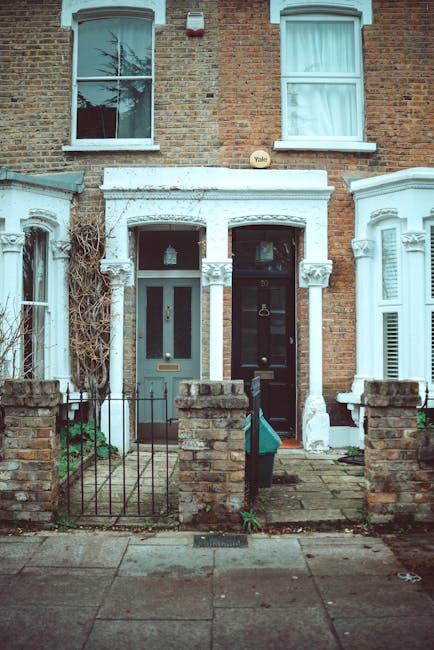
If you live in a terraced home in RM14, you already know the awkward bits: the narrow passage, the shared side access, the garden that somehow becomes a dumping ground by spring, and the eternal question of how to get all that waste out without turning the whole place upside down. This RM14 garden rubbish clearance guide for terraced homes is here to make that job feel manageable, whether you are dealing with hedge cuttings, broken fencing, old plant pots, damp bags of soil, or a full post-project garden clear-out.
To be fair, most garden waste is not difficult in itself. The challenge is usually access, volume, and timing. Terraced homes bring their own little complications, especially when you are trying to avoid mess through the house or keep disruption low for neighbours. In this guide, you will find a practical, UK-friendly approach that covers planning, sorting, safety, disposal options, and when it makes sense to bring in a professional team.
You do not need to overthink it. You do need a plan.
Table of Contents
- Why RM14 garden rubbish clearance guide for terraced homes Matters
- How RM14 garden rubbish clearance guide for terraced homes Works
- Key Benefits and Practical Advantages
- Who This Is For and When It Makes Sense
- Step-by-Step Guidance
- Expert Tips for Better Results
- Common Mistakes to Avoid
- Tools, Resources and Recommendations
- Law, Compliance, Standards, or Best Practice
- Options, Methods, or Comparison Table
- Case Study or Real-World Example
- Practical Checklist
- Conclusion
- Frequently Asked Questions
Why RM14 garden rubbish clearance guide for terraced homes Matters
Garden rubbish clearance sounds straightforward until you try to do it in a terraced property. Then reality turns up. Bags have to be carried through tight hallways or down shared paths. Wheelie bins fill faster than expected. You may be dealing with wet soil, thorny cuttings, heavy timber, and a few items that are technically garden waste but feel more like awkward bulk rubbish than anything else.
In RM14, terraced homes often have limited outside storage and modest garden sizes, which means waste builds up quickly after even a small landscaping job. A weekend prune can become a miniature mountain of green waste. Add old decking, broken trellis panels, or a rotting shed shelf, and suddenly the job needs more than a bin bag and a spare hour.
This matters because poor clearance planning creates avoidable problems: mess in the house, strained neighbour relations, missed collections, and unnecessary physical strain. It also matters for compliance and environmental responsibility. Garden waste should be separated sensibly, and any mixed rubbish needs the right disposal route. If a clearance service is used, it should be licensed, insured, and clear about what it can take.
One more thing: terraced homes are often part of a tighter street rhythm. Lorries, loading, parking, noise, and access all need a bit of thought. A good clearance plan respects that. It is the difference between a smooth morning and a mildly chaotic one with someone sighing over a front gate.
How RM14 garden rubbish clearance guide for terraced homes Works
The basic process is simple, though the details matter. First, you identify what is actually in the garden waste pile. Then you separate what can be composted, bagged, reused, recycled, or taken away as mixed rubbish. After that, you decide whether you are handling it yourself in stages or booking a clearance team to remove it in one visit.
For terraced homes, the working method usually follows one of two routes:
- DIY clearance in stages: suitable for smaller loads, lighter cuttings, and people who have time, storage space, and the patience to do several trips.
- Professional clearance: better for bulky waste, heavy materials, overgrown gardens, or situations where access is tight and you want a fast, tidy finish.
In practice, many homeowners do a bit of both. They separate obvious green waste, gather recyclable materials, and leave the awkward heavy stuff to a clearance team. That approach keeps the job efficient and avoids filling your car with mud, splinters, and damp branches. Not exactly a dream journey, honestly.
For bigger household projects, you may also find related services useful, especially if the garden work is part of a wider declutter. A broader home clearance or even house clearance can make sense when the garden is only one part of the job. If you are dealing with old shed items, broken tools, or household overflow stored outside, a garage clearance may also be relevant.
Key Benefits and Practical Advantages
A well-planned garden clearance gives you more than a tidy space. It changes how usable the home feels. That sounds simple, but it really is true.
- More usable garden space: once waste is gone, you can actually see what you are working with.
- Less trip risk: loose branches, broken pots, and hidden debris are common hazards in narrow gardens.
- Better kerb appeal: a clean terraced garden looks sharper from the house and the street.
- Easier maintenance: clearing out old waste makes future mowing, pruning, and planting much simpler.
- Lower stress: you do not have to keep stepping around piles of stuff for weeks.
- Cleaner work area: if you are replanting or improving the space, the whole project moves faster.
There is also a less obvious benefit: good clearance helps you make smarter decisions. Once the waste is gone, you can tell whether the garden needs basic tidying, a complete refresh, or just a few sensible repairs. People often keep saying, "It's not that bad," until the old timber pile is removed. Then suddenly the space looks twice as big.
Who This Is For and When It Makes Sense
This guide is for anyone in a terraced home who has let the garden drift into "I'll deal with it later" territory. That includes busy families, landlords, older homeowners, first-time buyers trying to sort out a neglected yard, and tenants moving out with a final clean-up to do.
It also makes sense if you are:
- preparing a property for sale or let
- clearing after hedge cutting, tree pruning, or a small landscaping job
- getting rid of old soil, turf, wood offcuts, or broken garden furniture
- trying to avoid repeated trips to the tip
- working around limited parking or awkward side access
- dealing with mixed waste that is too bulky for normal bins
In some cases, garden rubbish is part of a bigger tidy-up. That is where services such as waste removal can be helpful, especially when the waste is mixed and not just green cuttings. If the project is tied to exterior work like patios, paths, or hard landscaping, you may also need builders waste clearance for rubble, packaging, and offcuts.
And yes, if you are wondering whether this is overkill for a small garden, not always. Small spaces can create the biggest headaches because there is nowhere for waste to sit without getting in the way.
Step-by-Step Guidance
Here is a practical way to tackle a terraced-home garden clearance without creating unnecessary chaos.
1. Walk the garden and divide the waste
Start with a slow look around. Separate the pile into green waste, timber, soil, plastic pots, metal items, and anything that should be treated as general rubbish. If you have not touched the garden for a while, expect a mixed bag. That is normal.
2. Remove obvious hazards first
Pick out broken glass, rusty fixings, sharp metal, and anything that could injure someone while you work. Terraced gardens often have tight corners where hidden debris lurks. Gloves help. So does not rushing like you are late for the train.
3. Decide what can stay on site briefly
Some waste can wait in a neat stack or sealed bags until collection day. Some cannot. Wet soil, cuttings, and anything likely to smell or attract pests should go first. If the weather is damp, green waste can get heavy quickly, so do not underestimate the weight of a "few bags."
4. Choose the removal route
For light loads, you may manage with bagged waste and a suitable collection plan. For awkward access, bulky branches, or multiple loads, a clearance service is often the saner choice. If there are also old household items sitting in the garden, such as outdoor furniture, cushions, or broken storage boxes, you may need a more mixed clearance approach, possibly linked to furniture clearance or furniture disposal.
5. Create a clear route out
In terraced homes, this is where jobs succeed or fall apart. Clear the hallway, protect corners, open gates, and make sure the path to the front or rear access is wide enough for bags, bins, or a sack truck. A little prep saves a lot of awkward shuffling.
6. Load waste safely and methodically
Use strong bags, do not overfill them, and keep heavy materials separate from light cuttings. One overloaded bag of damp soil can be more trouble than three sensible ones. If you are lifting timber or branches, keep the stack tidy and stable.
7. Sweep up and do a final check
Once the main waste is gone, do a slow sweep. Check corners, under planters, and behind sheds or fences. A final clean-up makes the garden feel finished, not just emptied. That little bit at the end matters more than people think.
Expert Tips for Better Results
After enough garden clearances, a few patterns become obvious. The best results usually come from preparation, not brute force.
- Work in zones. Front to back, or left to right, keeps the job orderly and reduces missed waste.
- Keep green waste separate. It is easier to manage and often lighter than mixed rubbish.
- Bag before moving. Loose cuttings spread everywhere. Bagging first keeps things sane.
- Use smaller loads than you think you need. Terraced access rewards patience, not ambition.
- Protect floors and walls on the route out. A bit of cardboard or dust sheet can save a lot of cleaning.
- Schedule around dry weather if possible. Wet waste is heavier and messier. You will notice the difference.
One practical bit of advice: if your garden clearance follows a pruning or cutting session, leave a little time for the waste to settle before final bagging. Fresh clippings can compact, and what looked like a manageable pile at noon can become a heavier heap by late afternoon. Small detail, big difference.
If the wider property also needs an attic, loft, or storage area sorted, services such as loft clearance can help keep the whole project moving. Many terraced-home clear-outs are not just one room or one garden. They are a chain of small jobs linked together.
Common Mistakes to Avoid
A few mistakes show up again and again in garden rubbish clearance. The good news is they are easy to avoid once you know what to look for.
- Mixing everything together. Mixed waste is harder to sort, harder to lift, and often more expensive to remove.
- Leaving heavy soil until last. Soil is usually one of the hardest things to shift. Deal with it early.
- Ignoring access. If you cannot get the waste out safely, the whole plan needs adjusting.
- Overfilling bags. It saves time for about thirty seconds, then becomes miserable.
- Forgetting neighbour impact. Shared front paths, noise, and parking all matter in terraced streets.
- Assuming all garden waste is the same. It is not. Green waste, timber, rubble, and general rubbish often need different handling.
Another common issue is trying to stretch a small clearance into a whole-day battle. Sometimes people keep "just doing one more bag" until they are knackered and the garden still looks half finished. Be honest with the scale of the job. That is not weakness; it is just sensible.
Tools, Resources and Recommendations
You do not need specialist equipment for every garden clearance, but the right basic tools help a lot.
- Heavy-duty rubble sacks or refuse sacks: useful for cuttings, leaves, and lighter mixed rubbish.
- Gloves: ideally sturdy ones with decent grip.
- Pruning shears or loppers: for reducing branch volume before bagging.
- Wheelbarrow or garden trolley: helpful for longer gardens and heavier loads.
- Dust sheets or cardboard: good for protecting indoor routes.
- Rake and broom: essential for the final tidy.
For larger clearances, it is worth looking at services that handle the full loading and transport side. A specialist garden clearance service is often the simplest route if your pile includes bulky or awkward items. If the waste is more general and not purely garden-related, a broader waste removal solution may be a better fit.
And if the job includes items from an attached garage or side return, you may want to coordinate the clearance in one go rather than doing it piecemeal. It saves time, and frankly it saves the mood of the day too.
Law, Compliance, Standards, or Best Practice
For UK households, the main thing is to dispose of waste responsibly and use reputable carriers where a service is involved. You do not need to become a legal expert, but you should avoid handing waste to anyone who cannot clearly explain what happens to it. In general, responsible clearance means separating waste sensibly, preventing fly-tipping, and making sure the waste goes to proper facilities.
There are also practical health and safety points that matter in terraced homes. Manual lifting should be done carefully, routes should be kept clear, and sharp or contaminated material should be handled with extra caution. Wet soil, broken timber, nails, and hidden glass are the classic problem mix. Nothing glamorous there, sadly.
If you are booking a company, it is reasonable to ask about insurance, handling practices, and recycling approach. A trustworthy provider should be able to talk plainly about what they do. You can also review a company's insurance and safety information and its recycling and sustainability approach before you commit. Those details matter, especially when access is tight and there is a risk of damage or poor handling.
For anyone wanting to understand service terms and payment expectations in advance, it can also help to read the provider's terms and conditions and payment and security information. It keeps things transparent, which is always a good sign.
Options, Methods, or Comparison Table
Here is a simple comparison of the most common ways to handle terraced-home garden rubbish clearance.
| Method | Best for | Pros | Watch-outs |
|---|---|---|---|
| DIY bagging and council-style disposal | Small, light loads of green waste | Low cost, flexible timing | Time-consuming, lifting, limited by access and vehicle space |
| Skip-style approach | Large mixed projects | Handles volume, simple loading | Space and permit issues can be awkward in terraced streets |
| Professional garden clearance | Bulky, mixed, or awkward waste | Fast, tidy, less lifting for you | Costs vary depending on volume and access |
| Full property clearance | Gardens plus indoor clutter | One coordinated job, less disruption | May be more than you need for a small tidy-up |
In a terraced home, the "best" option is usually the one that balances access, volume, and how much physical effort you want to take on. If the waste pile is manageable and the route out is simple, DIY can work well. If the garden is overgrown or the access is a squeeze, professional clearance tends to save time and irritation.
Case Study or Real-World Example
Here is a realistic example. A homeowner in a terraced property in RM14 had a back garden filled with hedge cuttings, an old wooden planter, a rusted trellis, a bagged patch of soil, and a stack of broken outdoor storage items. Nothing dramatic on its own, but enough to clog the narrow side access and make the garden feel smaller than it was.
They started by separating the green waste from the timber and plastics. That immediately reduced the visual clutter. Then they cleared the route through the house with dust sheets and moved the heaviest items first while they still had energy. Good move, because the soil turned out to be heavier than expected. Of course it did.
Instead of doing several days of small trips, they booked a clearance visit for the bulky mixed waste and handled the remaining cuttings separately. The end result was a tidy, open garden that could finally be used for planting and a small seating area. Nothing fancy, just clean and usable. Sometimes that is all you want.
That example is common because terraced homes usually need two things at once: respect for the property layout and a realistic sense of the workload. Once you have both, the job becomes much more straightforward.
Practical Checklist
Use this checklist before you start or before a clearance team arrives.
- Sort waste into green, timber, soil, plastic, metal, and general rubbish
- Remove sharp items and obvious hazards first
- Check access through the house, side return, or rear gate
- Protect floors, corners, and narrow walkways
- Keep bags at a sensible weight
- Separate bulky items from loose cuttings
- Confirm what is staying, what is being reused, and what must go
- Plan where waste will be staged before removal
- Think about neighbours, parking, and noise
- Do a final sweep of the garden once the main waste is removed
Expert summary: In terraced homes, the best garden clearance is not the one that looks fastest at the start. It is the one that protects your access, keeps waste separated, and finishes with a clean route and a clear garden.
If you are ready to take the next step, compare your options carefully and choose the one that fits your access, volume, and schedule. A transparent provider should be happy to discuss the job and explain what happens next. You can also review the company's about us page if you want a better sense of how they work before getting in touch, and then use the contact us page when you are ready to ask for help.
Conclusion
Garden rubbish clearance in a terraced RM14 home is rarely just about tidying up. It is about making the space workable again, avoiding unnecessary mess, and choosing a method that suits the reality of a narrow property rather than an idealised one. Once you break the job into sorting, access, lifting, and disposal, it becomes much less intimidating.
The key is simple: stay organised, keep the routes clear, and do not underestimate awkward waste. Terraced homes reward sensible planning. They really do. And if the pile feels bigger than expected, that is not a failure. It is just a garden doing what gardens do best - quietly accumulating surprises.
Get a free quote today and see how much you can save.
When the waste is gone and the space opens up, even a small terraced garden can feel like a breath of fresh air.
Frequently Asked Questions
What is included in garden rubbish clearance for terraced homes?
It usually includes green waste, branches, hedge cuttings, weeds, soil, old pots, broken planters, timber offcuts, and other outdoor rubbish. Some services also take mixed garden-related items if they can be loaded safely and disposed of properly.
Is terraced-home garden clearance harder than clearance for detached homes?
Often, yes. Terraced homes tend to have narrower access, shared pathways, and tighter parking. That does not mean the job is difficult every time, but it does mean planning matters more.
Can I put garden waste in my household bins?
Small amounts sometimes fit, but bulky or heavy waste usually will not. Soil, branches, and mixed garden debris can quickly exceed bin space, so it is better to plan for proper removal rather than forcing it into bins.
What should I do with wet soil and turf?
Keep it separate from light green waste if possible. Wet soil becomes very heavy, and turf can compact into a dense load. If you are removing it yourself, use smaller containers or sacks to reduce strain.
Do I need a professional service for a small terraced garden?
Not always. If the waste is light, access is simple, and you have time, DIY clearance may be perfectly manageable. A professional service becomes more useful when the pile is mixed, bulky, or awkward to move.
How do I prepare my home before a clearance team arrives?
Clear the route, move fragile items, open gates, and identify what needs to go. If access is through the house, protect floors and corners. A little prep makes the whole visit smoother.
Can garden clearance include old outdoor furniture?
Yes, often it can, especially if the items are already outside and ready for removal. If the clearance also involves indoor pieces or mixed household items, related services such as furniture clearance may be more suitable.
What happens if the garden waste is mixed with rubble or building debris?
Then it may need to be treated as mixed waste rather than pure garden waste. In that case, builders waste clearance or general waste removal may be a better fit, depending on the materials involved.
How do I avoid damaging my hallway or side access during clearance?
Use protection on floors and corners, keep loads manageable, and avoid dragging sharp or dirty items through the house. A slow, tidy route is always better than trying to rush bulky waste through tight spaces.
Should I check a company's insurance before booking?
Yes, that is sensible. Ask about insurance, safety handling, and disposal methods. For peace of mind, it is also worth reading the provider's insurance and safety information before agreeing to any work.
Can garden rubbish clearance help if I am selling my home?
Absolutely. A clear garden improves first impressions and helps the space look bigger and better cared for. In terraced homes, that can make a noticeable difference when buyers arrive.
How do I know if I need house clearance as well as garden clearance?
If waste is coming from multiple parts of the property, such as the loft, garage, or inside rooms, then a broader clearance approach may be better. That keeps the job coordinated and avoids repeated visits.